It’s time. The very thing that made me say “skateboarding games are back, baby”. The return of skate.
I’ve been playing this game since end of July thanks to the Insider programme, and now the NDA has dropped I’m excited to write some notes on my experience. If you are just looking for the simple TLDR response: On September 16th, when skate. releases to the public in Early Access, you should play it. It’s free to play, it’s very accessible, and it’s a lot of fun. However, there’s really more to the story than this.
“It is my favourite skateboarding game, and will take nothing short of something akin to “Skate 4” to top it.”
Now, to start off: EA have not delivered "Skate 4". The distinction is important, and I have to be a bit of a nerd about it to explain why. skate. is effectively a game built from the ground up, with none of the old Skate franchise technology in it. It's built in the Frostbite engine (EA's in house game engine), compared to the old games, which used an entirely different, bespoke game engine. If all of this goes over your head, the easiest way I can describe a game engine is that it's the framework and toolset which creates a consistent, optimised experience - and very often they are built with a specific game type in mind. Unreal Engine, which is what Fortnite uses, was made primarily for character based action games (preferably where they use guns). Frostbite... was made for Battlefield. So building an entire skateboarding game from scratch in it is like trying to make a cake out of lasagne ingredients.
As a game developer who has shipped a game in Frostbite which isn't a First Person Shooter I understand some of the struggle this team might have had to go through to force Frostbite to do this - and the results are really good. The truth is skate. is a really accessible, super fun, extremely zen and relaxing time. The truth is also that Frostbite (and the game being built from scratch rather than re-using anything from the old games) has changed what skate. is compared to it's predecessors, for better or worse - and this is really the lense with which the rest of this article must use as I talk about the state of the game and the various elements on offer as of September 2025.
1. Tricks
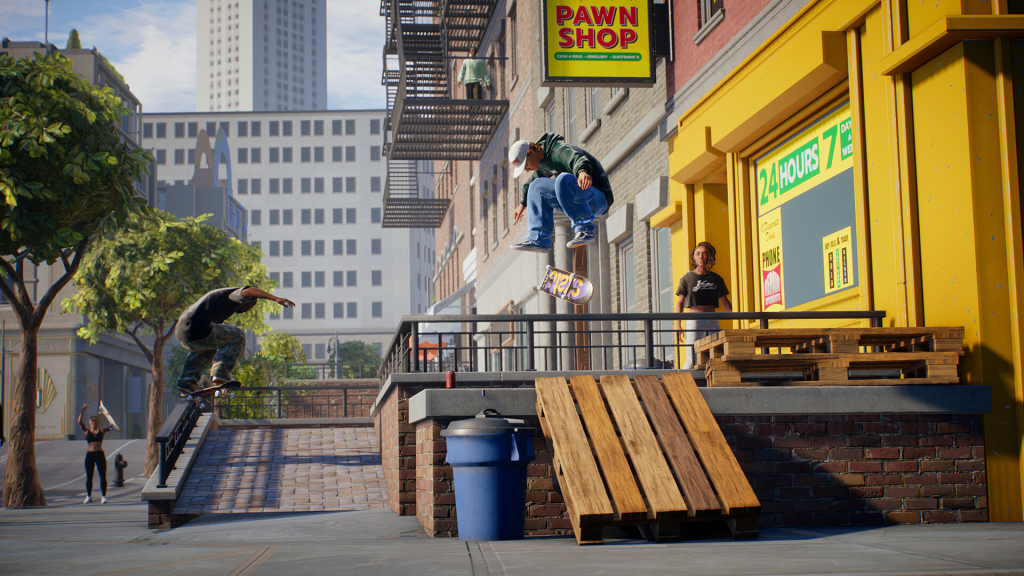
This is the first area where some of the distinction over this game not being "Skate 4" is extremely important. Building a skateboarding game on a blank canvas has allowed the team at Full Circle to make many of the core tricks in skate. better than they ever have been before, as well as include brand new tricks. Ledge skating is more fluid and smooth, allowing you to tweak your board into different grinds without popping out, so you can fulfill all your ledge dancing dreams.
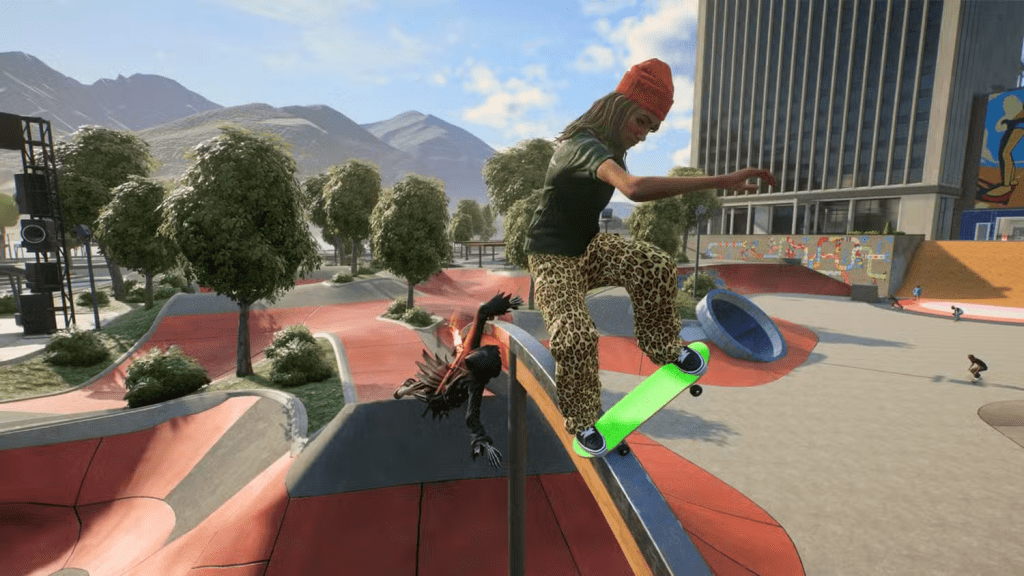
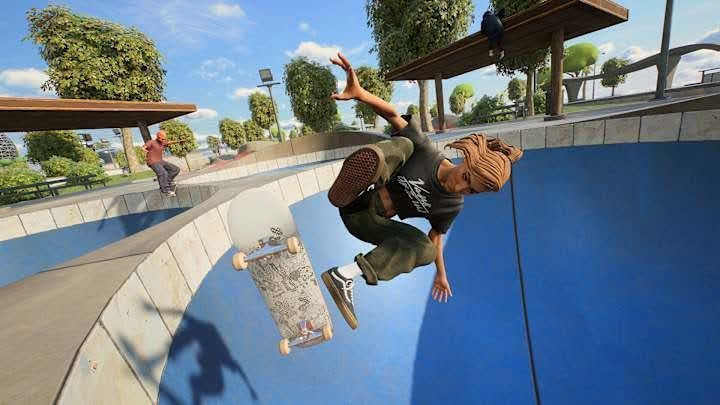
Leaning out of grinds makes your skater do a small pop out to the left or right, giving you a lot of fine control over creating realistic looking grind tricks - and this works on any grindable surface, with the skater smartly adjusting to the type of terrain they are popping out into (meaning leaning into a quarter from a grind will have the skater drop back in appropriately). More importantly, this addresses one of my biggest pet peeves with skateboarding games: ROCKS AND DISASTERS NOW FINALLY LOOK GOOD. Gone are the days of awkwardly flopping back into the ramp from a disaster. In skate. characters actually "rock" back in from rocks and disasters, and it's very nice.
My only gripe with the transition skating is that the pumping doesn't seem to work very well, and you lose speed far too easily. No amount of tweaking with the settings fixed this for me, so I hope over time they fix this in the future.
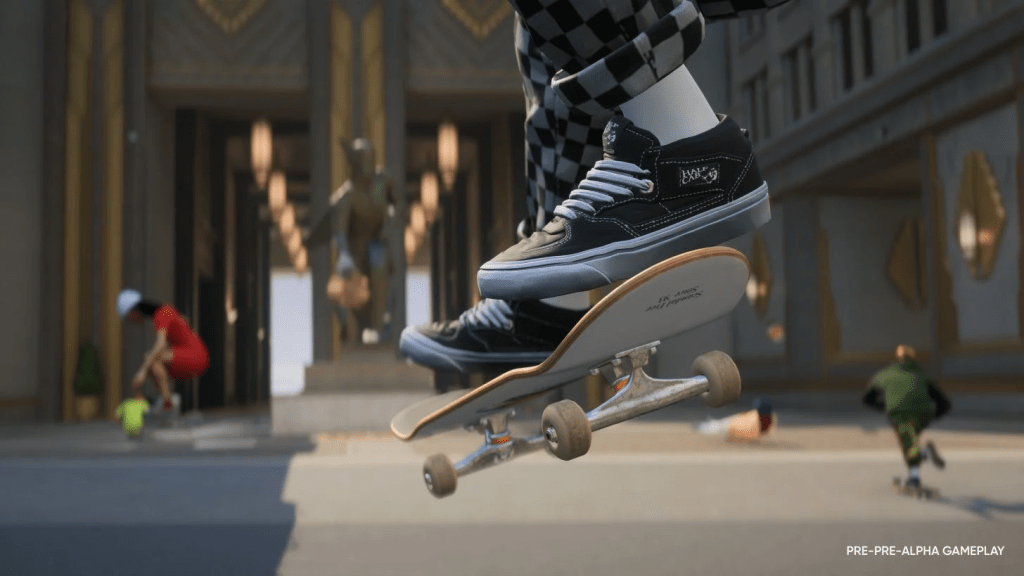
We also now have slappies (insert martini emoji) and wallies, which are awesome to see. In addition to this, we still have bonelesses, fastplants and beanplants, and the No Complies deserve a special shoutout, as the animation for them has been revamped big time so they look as awesome as they do in real life: No more awkward, janky, Skate 3 No Complies! Full Circle have also expanded the No Comply trick set slightly, but allowing you trigger a Backside No Comply by lean backside slightly before you pop the trick. It's super neat and adds a new layer to the trick system.
However, a lot of tricks and techniques that were present in Skate 3 are not in this new game. Darkslides are missing, footplants don't work as well as they used to, handplants don't work as well as they used to (and handplant variations are missing), you cannot skitch on cars, and the changes to popping out of grinds that has been added has changed the way transition skating works. For long time Skate 3 players, the things that we have lost here all seem disappointing and will take a while to get used to. In the long term, skate. is a live service game that will get all of these tricks (and more) back in time, but as a first impression it doesn't feel like the Skate you remember. This was a major sort of contension for me at first, but the truth is that the more I played, the more I enjoyed my time with it.
2. Art Style
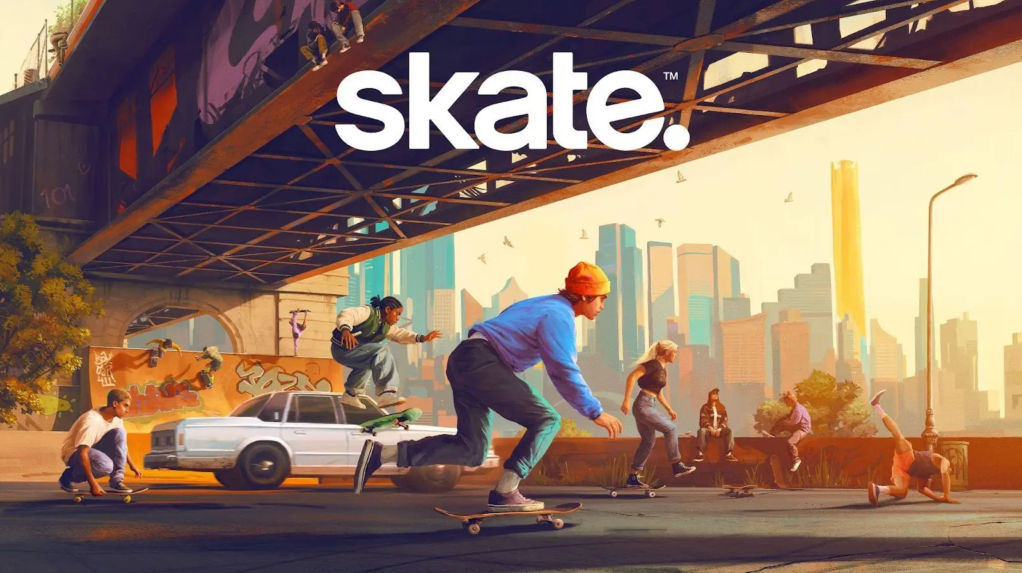
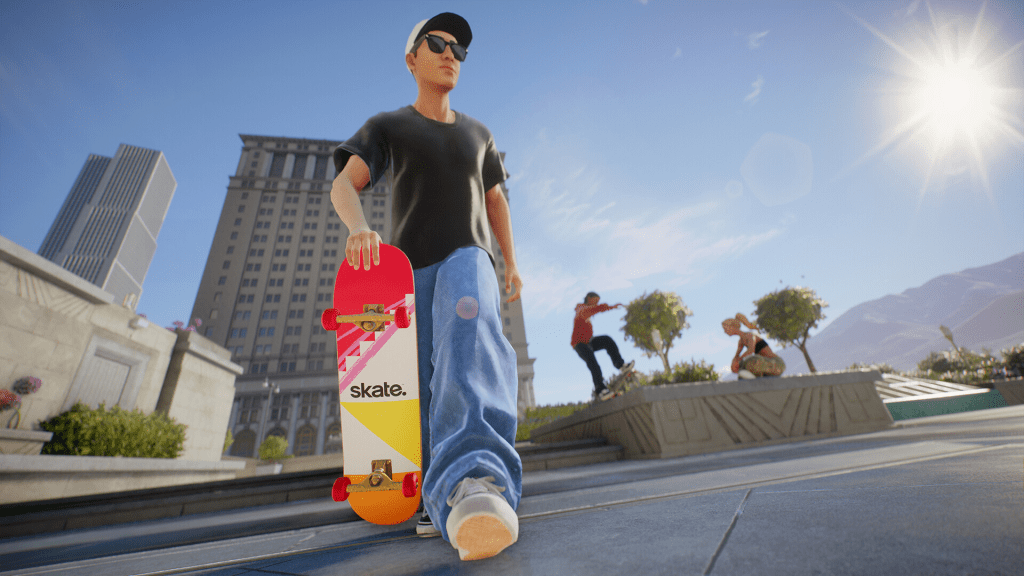
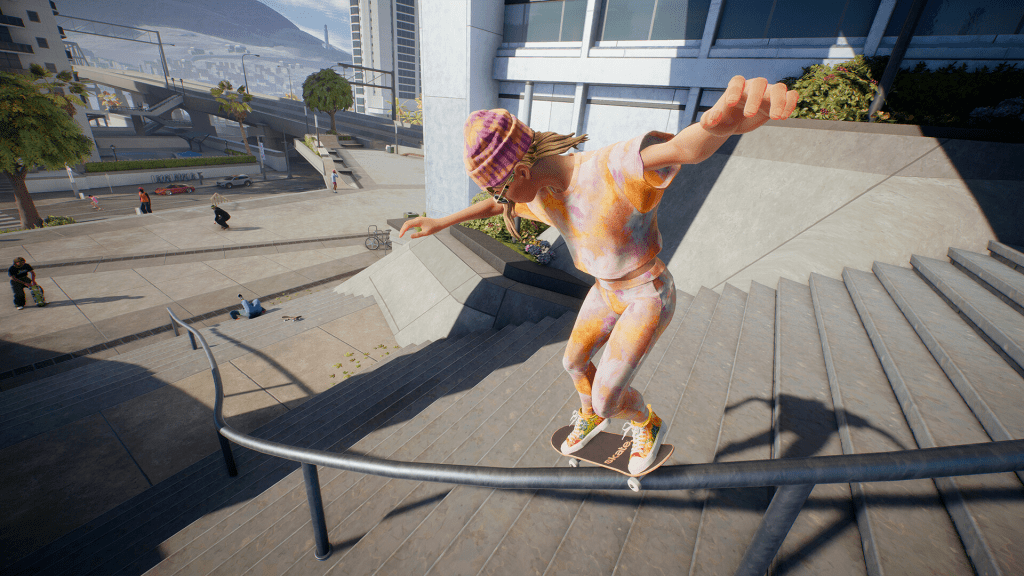
The Art Style of this new game is one of the most controversial talking points online. skate. uses a stylised art style, with saturated colour palettes and slightly exagerrated character dimensions. People have called it "cartoony" or "fortnite style", and whilst it definitely skews a little towards a younger aesthetic, once you are skating it's not really that noticeable. I've described it as "this is how you remember Skate looking", as there's something sort of old school about it that reminds of how Xbox360 games looked. There's a nostalgia in the art style, whilst also catering to the sort of aesthetic younger players may enjoy, and I don't see anything wrong with it.
On a surface level, a lot of people are annoyed that this game "doesn't look realistic", or that the art style communicates that this game is silly and not the serious skateboarding game folks remember Skate being. The thing is, Full Circle had a difficult decision to make here, and where they have landed is the best possible place: Every other skateboarding game that skate. is competing with has an hyper-realistic art style. Session, SkaterXL and even THPS opt for trying to emulate realistic environments and characters which look like they are pulled straight out of a skate video. skate. had to mix things up to stand out, but at the same time skate. is considered the spark for the skateboarding simulator genre that spawned most of it's competitors, so they had to walk a fine line to deliver something that communicated realism, whilst standing out. As I said, I don't mind this approach, and in moment to moment gameplay, the skateboarding still looks fluid, realistic and similar to the old Skate games.
There is also the added impact of this game being available on multiple platforms. EA are keen to get this game on as many gaming platforms as possible - which means that the game must remain smooth and playable on everything from a PS5 Pro, to a Mobile Phone, to a low powered potato PC. A stylised art style with some more simplified 3D models is going to scale better to lower powered machines, with the added benefit that this will also keep the size of the game pretty small - with a live service game with continued updates, the last thing you want is to be waiting for a 2 hour download everytime they add a ton of new content.
As with everything, the caveat is going to be: This game is still in Early Access. Whilst I don't expect the entire art direction to change, I imagine we will continue to see refinement and detail added to the world and characters here to improve the visuals. Over time this game will look even more impressive, and for the time being the gameplay and art direction work well together.
3. Campaign/Gameplay
The Campaign of skate. is definitely lacking compared to the older games: And the main reason is the lack of any proper motivation for why you are doing skateboarding challenges. The older games had plenty of pro skaters and characters to interact with, but the new game lacks a lot of this. The concept of the game’s Campaign is pretty simple: San Vansterdam has recently been abandonned by mega-corporations, and the skaters have decided to take over and create a skateboarding utopia. You’ve recently moved to San Van as a new resident, where the local skaters will introduce you to all the fun you can have on a skateboard.
The problem is: the local skaters consists of… 3 in-universe characters who speak to you via phone calls and an AI who lives in a SonyVX. No pro skaters, no physical presence of these characters actually skating with you, just voice lines and a static 2D portrait. It doesn’t hold the same weight as the old pro’s who used to skate spots with you, or the characters who would challenge you to a game of S.K.A.T.E. Speaking of which – the gameplay modes here are lacking. You have:
“Own The Spot” challenges: where you have to complete objectives in a single trick
Line challenges: where you have to complete objectives whilst collecting bearings that are laid out along a specific line.
Stunt challenges: where you have to slam and complete objectives related to getting really hurt.
Throwdowns: Multiplayer challenges where other players join to try and get the most points in a given time limit.
That’s kind of everything available to do in the game. The skateboarding gameplay is fun enough to definitely flesh this out and keep you playing for hours, but there’s no wider narrative goal that keeps pulling you through the game past your own enjoyment of skateboarding and wanting to level up, earn more cosmetics and express yourself. Games of S.K.A.T.E are missing from the Multiplayer offering, and Death Races are missing, which means that all of the gameplay feels quite samey. Stunt challenges and slams are missing the “Hall Of Meat” gameplay from the old games, which tracked broken bones and scored your slams slightly differently to tricks – instead slams use an alternate scoring method linked to the trick system, which feels somewhat odd and not quite right. Scoring slams this way gives an impression that “falling off” is somehow a desired outcome for skateboarders, whereas in skateboarding landing the trick is the goal.
In many ways it reminds of Sea Of Thieves – Rare’s pirate MMO. When the game first launched, it felt very similar. The game was fun, but past “level up and earn cosmetics” there was no wider reason to do anything in game other than “I enjoy playing the core game”. Again, the excuse of “it’s Early Access” goes a long way, and for an incomplete game, skate. is surprisingly full of stuff to do, but it could be better, and is still a far cry from what Skate 3 offered.
4. Map/Environment
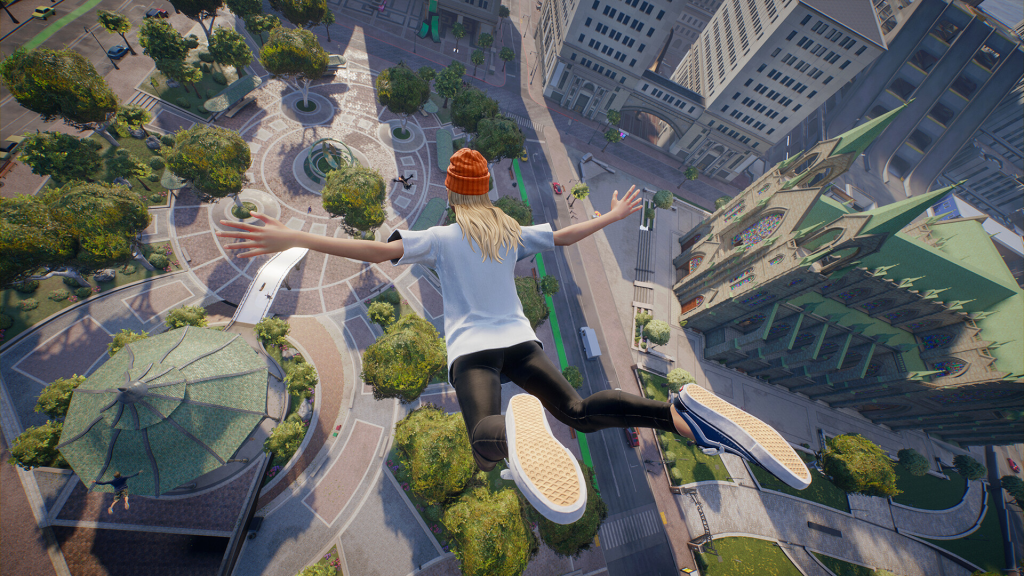
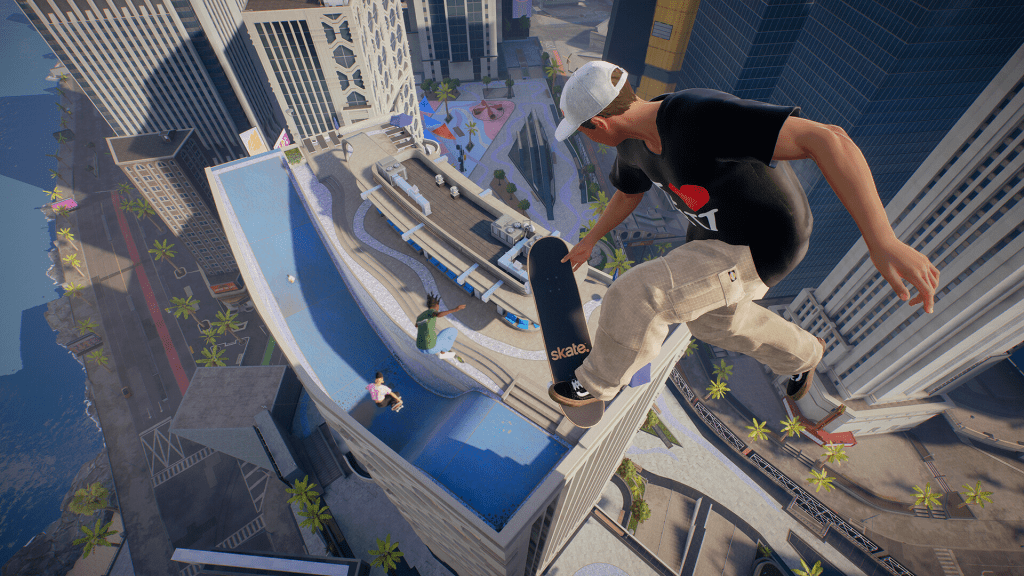
The city of San Vansterdam is quite interesting in it’s layout – the street spots are plentiful and extremely fun to skate, and similar to the old games you can just cruise and find a spot every 5 seconds. Compared to the older games there is less dead space, and the city is jam packed with things to see and do on every street corner. The added ability to climb when off your board means there is a level of verticality in the layout of the city that was missing from the older games, and all of the wacky mega-ramp setups that took up huge amounts of wasted space in the old maps has been cleverly implemented on the rooftops of buildings in San Vansterdam.
On the surface the map looks small, but once you start exploring and realise how many multi-layered bridges, underpasses and rooftops there are to explore you realise there’s so much potential for tricks and lines that caters to folks looking for a crazy, unrealistic experience, as well as those who want a simulated, grounded experience. What’s even better is that it’s clear there’s plenty of room to expand and grow the spots in this map – from the Brickswich area, which currently has it’s challenges locked (and features an abundance of brick banks that have my personal skate spot preferences buzzing), to the blocked off tunnels and in construction buildings that clearly alude to new spots to come later on.
There’s also the added bonus of “community areas”: these are open spaces where the architecture in them changes every 24 hours. This means you get new skateparks popping up in these spaces every day. As an example of what these spaces can mean, one of these spaces has also currently been taken over by the Dime Glory Challenge, replicating obstacles built for that competition as a cool cross-promotional bit of business. This adds a lot of longevity to the map and gives you a reason to come back and check out what’s new over time.
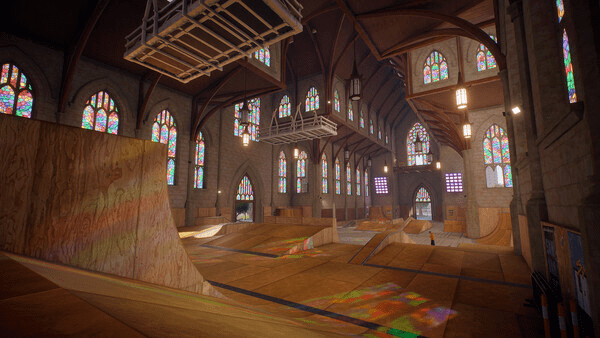
As is often the case, my biggest complaints comes from the “skatepark” parts of the map. The layouts of the skateparks in San Van have weird obstacle layouts that don’t flow as nicely as a proper skatepark should, the mini ramps have too much flat in the middle, and the layouts just don’t satisfy my personal skatepark desires. The Rolling Waves park in Market Mile is by far the best skatepark on the map, and has a lot to skate, but even then there’s parts of this park that sort of don’t make sense me, and there’s definitely parts of the park I just avoid because they aren’t fun to skate (which, when you have designed a skatepark, isn’t a good sign).
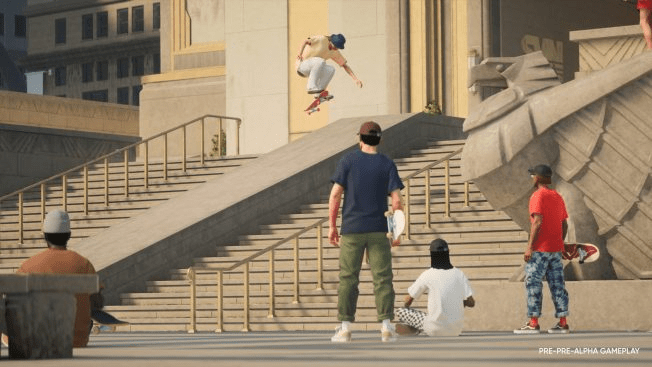
Street spots in skate. are also a little too “skatepark-adjacent” – there’s far too many wide, open areas that are clearly designed for people to skate like a skatepark instead of organic, urban street plazas that feel like they are designed for folks who don’t skate. This is the curse of designing a skateboarding game where areas should be fun to traverse, but at the minute the spots err on the side of “this was designed by folks who know they are making a skateboarding game” rather than replicating/transferring realistic street spots to a skateboarding game setting. It fits the narrative of San Van being a skate utopia, but there’s a bit too much “sanctioned skate plaza” about some of the areas.
5. Free To Play/Microtransactions
There is a very clear focus on what Full Circle have concentrated on when developing this game. The area of the game that is the most fleshed out is the store and cosmetic purchase flow. skate. is a Free To Play game, meaning the game is free to download and play, but as is often the case, the costs to you as a player come later. You don’t have to buy anything, but if you want the coolest stuff, from brands you recognise like Dickies, Vans and Girl, you may have to spend some real world cash to get it.
Luckily all of the stuff available to purchase is purely cosmetic and doesn’t affect gameplay, or where you can skate. You don’t have to pay anything to do new challenges, or find new spots, it’s all available for you to play – however you may just be dressed in slightly less interesting clothes and using a slightly more boring board compared to those who have stumped up their hard earned cash.
The price for this stuff isn’t too eye-watering. I was able to get a pack of Dickies clothing items, a pair of Half-Cabs and a separate purchase of some Dickies Dungarees for under 20 quid – and the justification I used was “I’ve spent 40+ hours playing this game, and I’m happy to pass the team 20 quid as a ‘tip’ for the fun I’ve had so far”. To be honest, this is the mindset I would suggest to you for any free to play game: pay what you think is fair for the gameplay experience you have had. If you feel that the game is worth £50, then give that amount to the devs via microstransactions, if you think it’s worth nothing, don’t pay a penny. Personally I felt that the time I had spent was worth 20 quid at the time – if I continue to play, maybe I’ll give more.
Still, I think the Free To Play model is going to piss a lot of people off, no matter how it’s implemented. I think players are entitled to be critical of this model of commerce, and for a game like Skate which used to be a Full Price type game, it’s a hard adjustment for folks to make – especially when the competitor games in the genre aren’t doing this sort of thing.
The added piece of frustration here is that lootboxes are the core way you unlock free cosmetics. In each district of San Van, there are a group of boxes with randomised rewards inside – the currency you earn from completing challenges can be spent on boxes to get these randomised rewards. It feels like a gamble to spend currency you have grinded for hours, only to get a bunch of tatt you don’t want to use, with the hope you get a pair of Vans or a Thrasher hat. I am also extremely concerned they will add more of these boxes which cost real money. I’m no stranger to lootboxes and their addictive qualities, and I’ve worked on a lootbox feature where I saw first hand the tricks developers must use to make this lucrative – it’s filled with tricks and dark patterns to make you think spending a little more time or money will get you the shiny reward you are after, and seeing this in a skateboarding game, especially one that is quite fun and accessible, has me raising my eyebrow.
Conclusion
Based on everything in offer in skate. right now, it’s worth repeating there is definitely enough here to get excited about. skate. has a lot of promise and over time could be a far greater game than it’s predecessors, but the spectre of free to play seediness looms over the game. I have hope that the team at Full Circle will approach this ethically and try and keep this as fair as possible (especially with many of the original Skate franchise folks on board).
With that said, the core gameplay here is super solid and really awesome. You’ve got so many tools at your disposal to put together cool skateboarding lines and get into a zen state as you cruise around the city. Like the original franchise, it hits the perfect balance between arcadey, accessible gameplay, and grounded realism to be a great all round skateboarding game for all types of player. After being stuck in hardcore sims like Session and SkaterXL, it definitely feels like a breath of fresh air, and reminds me why Skate became the Tony Hawk killer it was.
At this rate, it’s my favourite game of 2025. Is it my favourite skateboarding game of all time? Not yet, but in time it might well be.
 The Terrible Company
Leave a comment